Summer feeding at Bearhill
In winter, feeding sled dogs is a big job.
When the dogs are working hard, burning energy in cold temperatures, and living outside in an Arctic climate, their bodies need a lot of fuel. During the busy season, our dogs consume calorie-dense meals rich in fat and protein. They may get several feeds in a day, including warm morning soups, meat, dry food, and fatty snacks such as fish, chicken skins, or other high-energy additions.
That makes sense in winter. The dogs are pulling, training, recovering, building and maintaining muscle, and using energy simply to stay warm. But when spring arrives, everything changes.
The workload goes down. The temperature goes up. The dogs no longer need the same amount of energy for work, recovery, muscle maintenance, or keeping warm. And so, slowly and carefully, we change the feeding routine.
Not by suddenly changing everything. But by simplifying.
Spring: Slowly reducing the extra calories
As the days get warmer and the nights only occasionally dip below freezing, we begin to reduce the additional calories in the dogs’ diet.
The first thing to disappear is usually the daily snacking. During winter, snacks are an important part of keeping energy levels high. In spring, they become less necessary.
We may still snack the dogs if we are going out for a training run or doing a specific activity with them, but at that point the snack is more about routine, handling, and training than calories.
The same happens with meals.
During the cold working season, the dogs often get a morning soup: a mix of defrosted meat, water, and sometimes dry food. This helps hydrate them and gives them extra fuel. But once the dogs have recovered well from the winter, started putting on a little bit of summer weight, and no longer need that extra morning feed, we remove the soup from the routine.
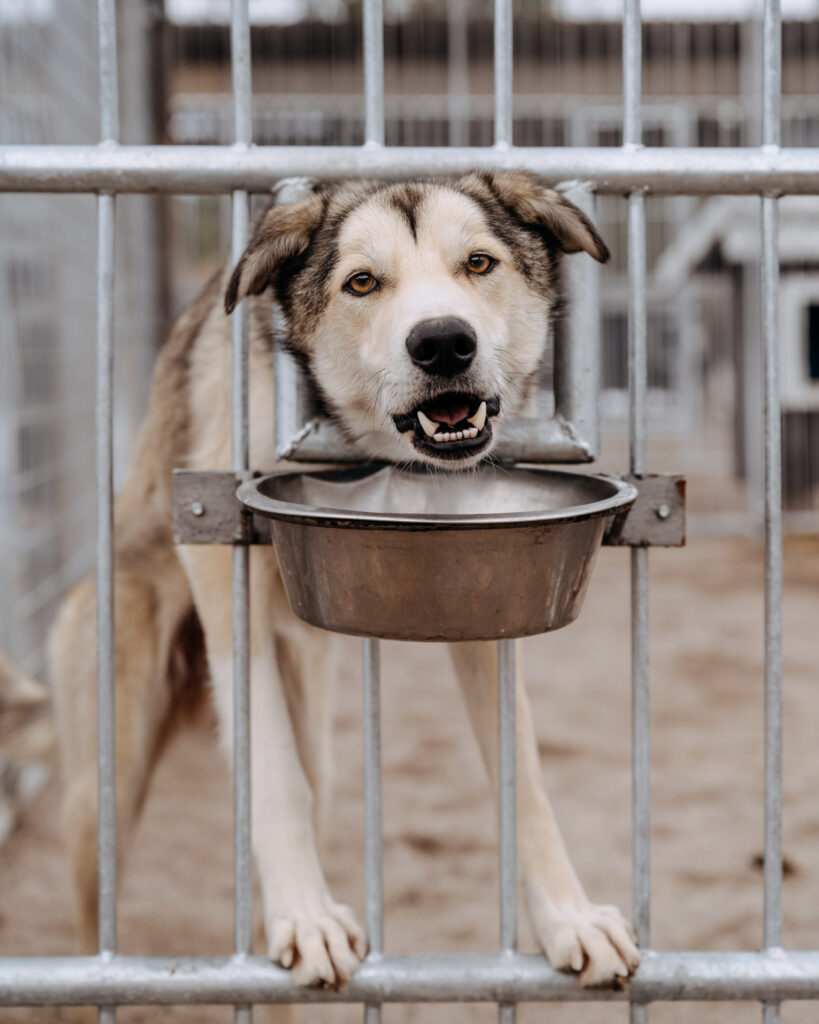
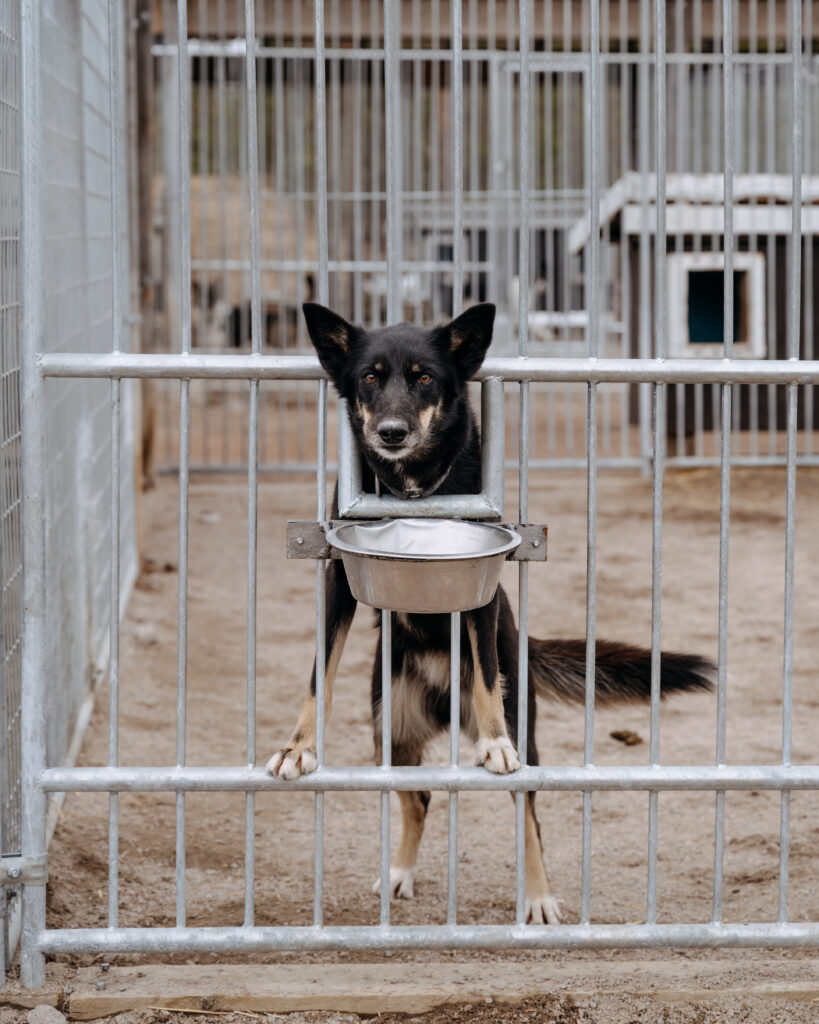
This does not mean the dogs are without water. In summer, all dogs have water available 24/7. Instead of feeding morning soup, we go through the kennel in the morning, refresh the buckets, and make sure every dog has clean, fresh water.
Summer: Less meat, same quality food
In the evenings, we continue for a while with a mix of meat and dry food. But at some point, usually around June, July, and sometimes into August, we stop buying meat for the summer and switch to a dry-food-only dinner.
At Bearhill, that means Royal Canin 4800.
This is still a high-fat, high-protein food. We do not switch the dogs onto a light, low-fat, low-protein, or cheaper summer food.
Some kennels do, and there are different ways to manage a sled dog kennel. But in our experience, changing the food itself has not worked particularly well. We have experimented with it in the past, mostly to see if there was a benefit, and usually regretted it.
The system that has worked best for us is simple:
We keep the same high-quality food, but reduce the portion size and remove most of the added meat and snacks.
That way, the dogs still get a nutrient-dense food that supports their general health, even when they are eating less of it.
The practical side: Clean, easy, efficient
There is also a very practical reason for feeding dry food in summer.
It is cleaner.
In hot weather, feeding greasy, fatty meat meals creates more mess. Bowls become harder to clean. Food hygiene becomes more important. Everything is warmer, and everything gets dirtier faster.
Dry food is much easier to manage. We take a bucket, go around the kennel, and feed each dog. The bowls stay cleaner, the routine is quicker, and the dogs still get the nutrition they need.
There is also a small dental benefit: the dogs get something dry and crunchy to chew. It is not a replacement for dental care, of course, but it is another practical advantage.
The nutritional reason: Fat adaptation matters
The bigger reason we do not like switching to a lighter summer food is physiological.
Sled dogs, and dogs in general, are very good at adapting to a high-fat diet. This adaptation happens at the cellular level. Their mitochondria become better at oxidising fat and using it as an energy source.
But this does not happen overnight.
It can take around four to six weeks for dogs to fully adapt to a high-fat diet. We usually work with six weeks as our conservative estimate.
The same is likely true in reverse. If we switch the dogs from a high-fat working diet to a low-fat summer diet, we should assume it takes several weeks for them to lose that adaptation. Then, before autumn training begins, we would have to start building it again.
So if summer is only 16 to 18 weeks long, the logic does not really add up.
The dogs might spend six weeks losing their high-fat adaptation, have perhaps six weeks where the lighter food is actually “useful,” and then spend another six weeks adapting back to the winter diet before serious training starts again.
That is a lot of disruption for very little benefit.
For us, it makes much more sense to maintain the dogs’ high-fat adaptation throughout the year. When autumn comes, they are nutritionally ready to begin training again.
Keeping one system for the whole kennel
Another advantage is consistency.
Royal Canin 4800 has worked well for us not only as a working food, but also as a maintenance food. Many of our retired dogs eat the same food as the working dogs, including 12-, 13-, and 14-year-old couch potatoes who are no longer pulling sleds but are still living long, healthy lives.
That matters to us.
A good kennel feeding system should be practical, reliable, and as universal as possible. We need something that works for young dogs, working dogs, retired dogs, and seniors. Of course, individual dogs may need individual adjustments, but as a base system, keeping things simple has been one of the best approaches we know.
Or, as the old saying goes: KISS – Keep It Simple, Stupid.
What changes in summer – and what does not
So, in summer, we change the feeding routine.
- We reduce the quantity.
- We remove most snacks.
- We stop the morning soup.
- We reduce or remove meat.
- We feed mostly dry food.
But we do not change the foundation of the diet.
The dogs still receive a rich, dense, high-quality food that supports their bodies and keeps their metabolism ready for work. We simply feed less of it, because their bodies need less.
That is the balance we aim for: not overfeeding, not underfeeding, and not making unnecessary changes just because the season has changed.
For a working sled dog kennel, feeding is never just about filling bowls. It is about understanding workload, weather, metabolism, recovery, routine, and long-term health.
And in summer, the best system we have found is also the simplest one.
Feed less. Keep the quality high. Maintain the adaptation.
And let the dogs move into the warmer months healthy, comfortable, and ready for the next season.