How Charlie Charmed His Way Into Finland
A little while ago, I went looking for some new blood for the kennel, fresh genetics to bring into the team. One piece of advice I’ve often heard from other mushers is this:
“If you want strong genetics, don’t just follow the kennels that win races. Look at the kennels that consistently place in the top ten, year after year. That’s where you’ll find stable lines and dogs with the right qualities to run well over time.”
Following this wisdom, I started paying attention to results, and one name kept popping up: Pete Kaiser from Alaska. Pete is a musher who regularly performs well, sometimes even winning big races, but always staying among the top performers.
Through a mutual friend, Julie from Alaska, I reached out to Pete. We got talking, and before long, we had agreed on a dog. I planned to travel to Alaska in March 2020 to bring him home.
Then, of course, the world shut down. COVID hit, travel became impossible, and I had to admit defeat. I sent Pete a message: “I’m terribly sorry, we’ll have to cancel. Maybe another time.”
Picking Up the Project Again
Years passed. We worked through the chaos that COVID left behind and slowly rebuilt the kennel. When things settled down, I reached out again. Pete was still open to the idea, and this time we agreed not just on one dog, but two.
The main one was Charlie.
Julie kindly offered to fly with the dogs and handle the transport. Paperwork was arranged, vaccines and microchips recorded, and everything was officially signed off by the USDA in Alaska. Now, if you’ve ever dealt with remote Alaska, you’ll know that vet services are rare. In places like Bethel, volunteers or visiting vets fly in and out. Vaccinations weren’t the issue, but it was the microchipping that turned into a bureaucratic headache. But eventually, all was in order, and Charlie boarded his flight to Finland.
Trouble at Helsinki Airport
A friend and I were waiting at Helsinki Airport for Charlie’s arrival. The plane landed, passengers came through, but no dogs. We waited. And waited. Finally, a short WhatsApp message came from Julie: “There’s a problem with the paperwork.”
That was it. Nothing more. We started to worry.
After some time, a customs officer came out and asked, “Are you the ones waiting for Charlie?”
Yes, we said, probably looking very anxious.
He explained that the paperwork didn’t match the microchip. When they scanned Charlie, they found five different chips in him—only one of which could be read. And, of course, it wasn’t the one listed in the paperwork. Likely during his racing career, Charlie had been chipped multiple times in Alaska, where reliable microchipping isn’t always straightforward.
The customs officer wasn’t happy. He went back inside. When he returned, he asked me bluntly:
“Does Charlie have a job in Finland?”
I answered without hesitation: “Yes. He’s going to be part of our kennel, help lead my younger dogs, and hopefully make puppies.”
The officer frowned, then nodded. “Alright. Charlie can come in.”
A Question of Work Permits and Refugees
It turned out Finnish customs were on high alert at the time. Because of the war in Ukraine, there were concerns about unregistered refugee dogs entering the country. Charlie had simply been caught up in this heightened scrutiny.
In a way, Charlie got through because – just like a person – he had a work permit. He wasn’t a refugee; he was coming to do a job.
Working the Crowd
Later, Julie told me what really happened inside. While officials were debating his paperwork, Charlie was busy charming everyone in the customs office.
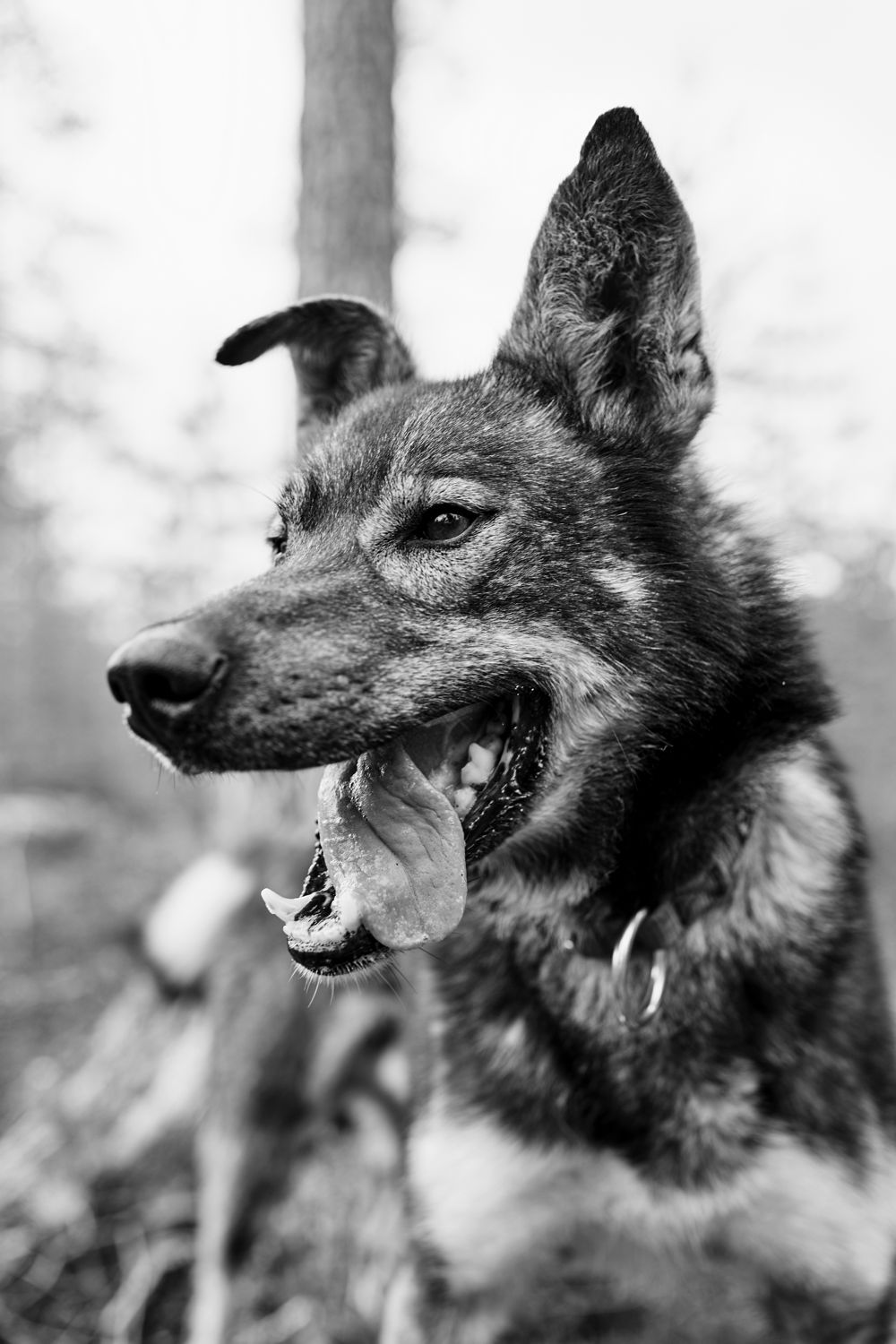
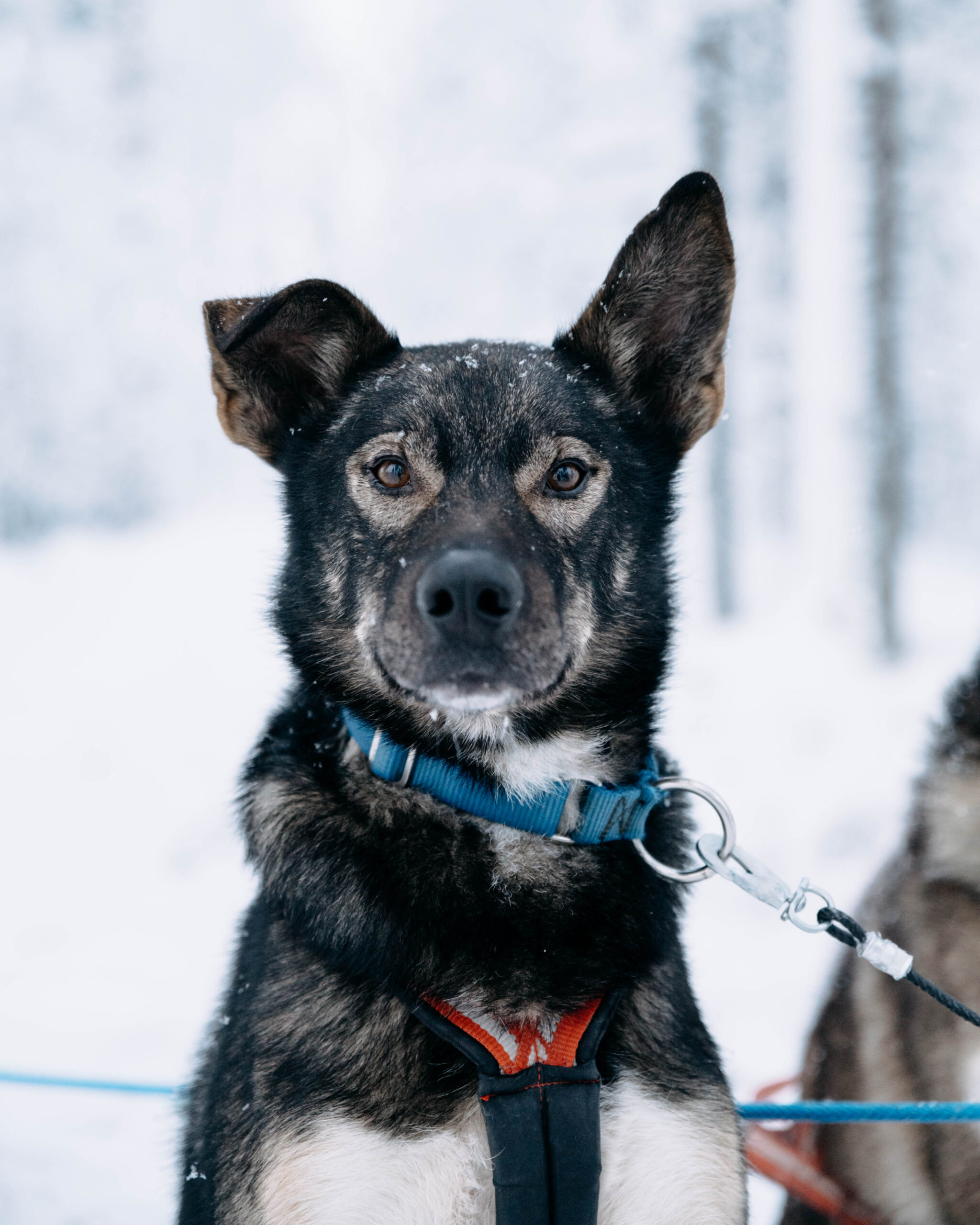
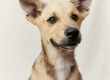
Charlie is an affectionate dog. He leans into people, nudges for scratches, and has a way of locking eyes with you using his deep brown gaze. Apparently, he went from officer to officer, greeting each one, wagging his tail, resting his head on their laps, and eventually even putting his front paws up on the desk to look the sergeant in the eye.
By then, the whole office was on Charlie’s side. The junior officers were practically begging their boss with their eyes: “Let this dog through.”
In the end, the paperwork confusion was resolved. They found documentation from Charlie’s racing days that tied one of his chips to valid vaccinations. But honestly, it wasn’t just the paperwork that got him through. It was Charlie himself, his personality, his charm, and the way he made friends out of strangers.
Charlie Today
And that’s how Charlie arrived in Finland: not just on the strength of his documents, but because he won over an entire customs office with his charm.
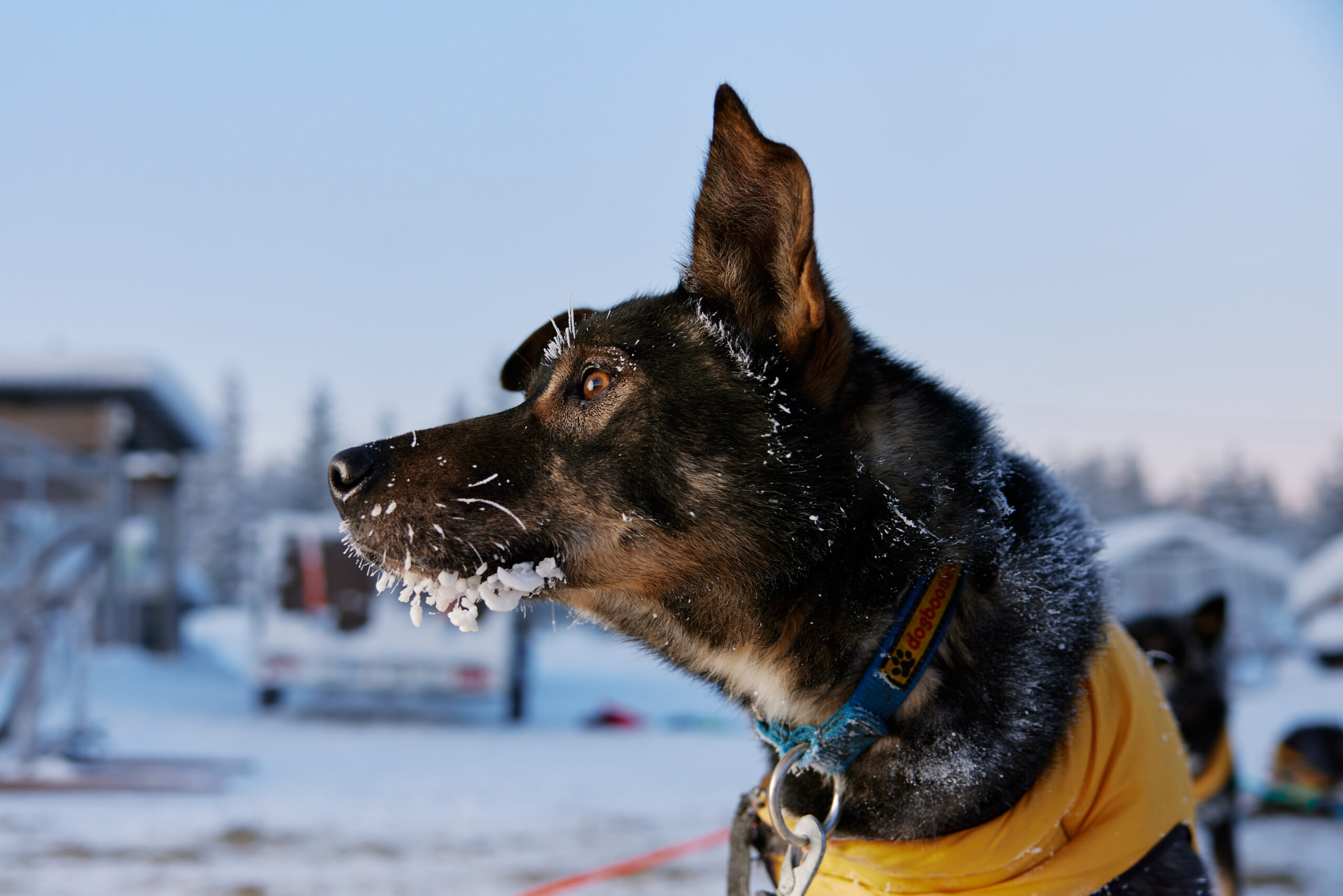
He came not as a refugee, but as a worker, a teacher, and a future leader for my kennel. And that first impression he made at the airport? That’s the same impression he makes on everyone who meets him.